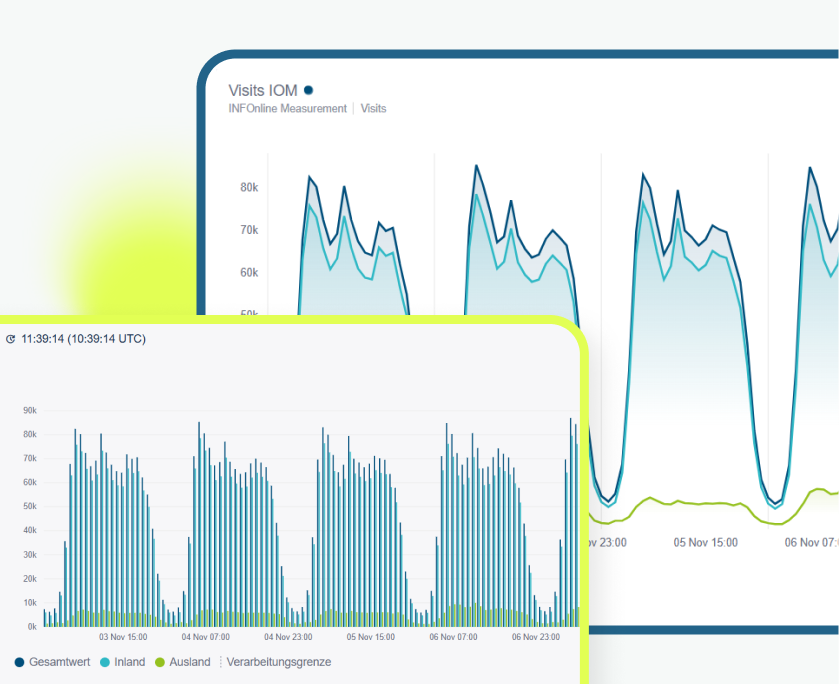
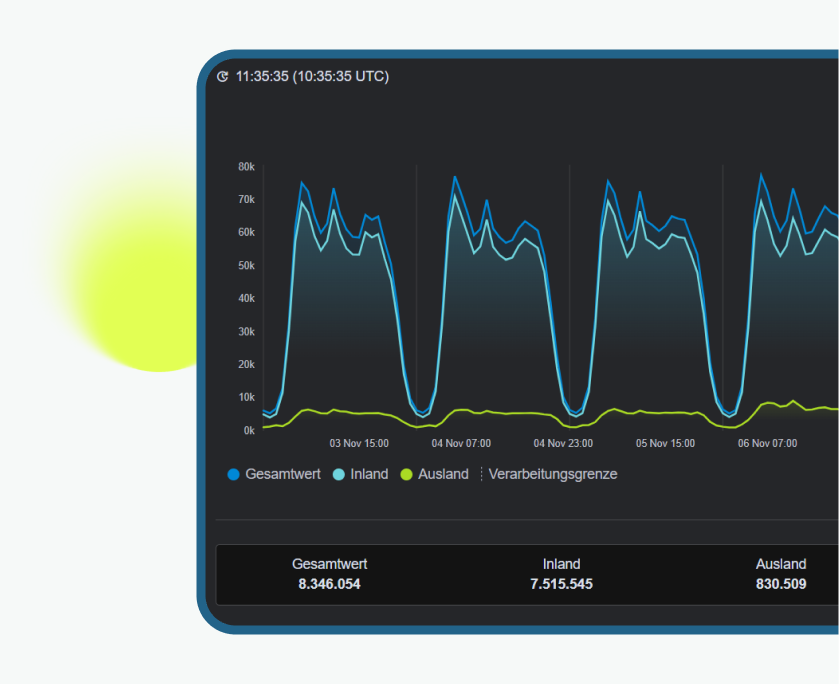
Why extrapolation methods matter – and how we deliver valid results without consent-related data gaps
In a world where cookies are disappearing, consent rates are fluctuating, and ad blockers have become the norm, one question stands at the core of digital media analytics:
How can reach be measured accurately, even when not all user actions can be directly tracked?
The answer lies in a transparent and privacy-compliant extrapolation method, which INFOnline has been using since 2023.
Why is extrapolation necessary?
Since the introduction of the EU GDPR and the TTDSG, obtaining explicit user consent has been a legal requirement for many forms of data measurement. But consent is dynamic — some users agree, others don’t. This inevitably leads to data gaps.
If these gaps were left unaddressed, they would distort the true picture of actual reach — which is why they must be closed through a robust methodology.
How our extrapolation works
INFOnline uses two complementary measurement systems and calculates key metrics by comparing them:
Example:
If the pseudonymous measurement (with consent) shows an average of 2 Page Impressions per Visit, this factor can be applied to the fully collected Page Impressions from the census-based measurement (without consent).
This allows us to statistically estimate the expected number of Visits, even without consent — based on real usage patterns.
The result: Qualified, comprehensive metrics
Für eine faire und transparente Ausschüttung benötigt Corint Media eine standardisierte und überprüfbare Reichweitenerhebung.
Dabei ist ausschließlich eine Kennzahl relevant: der monatliche Visit.
INFOnline stellt sicher, dass:
Visitors
Visits
Clients
These values are derived through clearly defined methods — even when only partial data is available.
Privacy-Compliant. Transparent. Future-Proof.
100% GDPR & TTDSG compliant
Not a black box — but a documented, verifiable mathematical model
High data validity while fully honoring user privacy preferences
Ready for real insights?
Get started now – with a reliable measurement system designed for professional use in the media market and flexible enough to adapt to your needs.
Do you have any questions or are you interested in INFOnline? Simply fill out the contact form and our team will get back to you.
Register as a New Customer
Please fill out all fields in our form. Once submitted, we will create your customer account as quickly as possible. Your access data to our customer portal will be sent to the email address you provided.